
User experience
Research, user flows, and thoughtful structure that help people find their way.
Meaningful experiences.
I’m Nasim, a Google-certified UI/UX designer turning complex ideas into clear, intuitive digital experiences for people.
Explore selected work


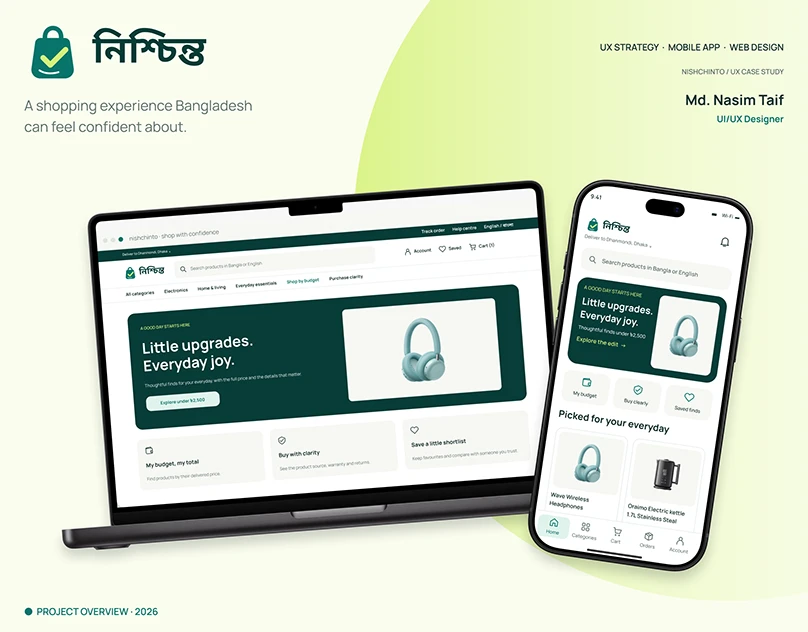
A little more confidence in every purchase.
 VIEW CASE
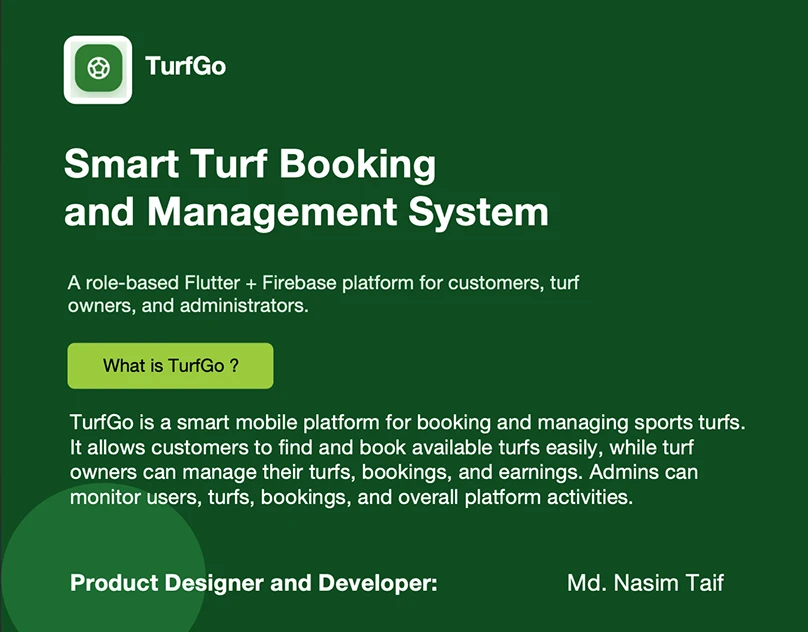
Bringing the next game closer.
 VIEW CASE
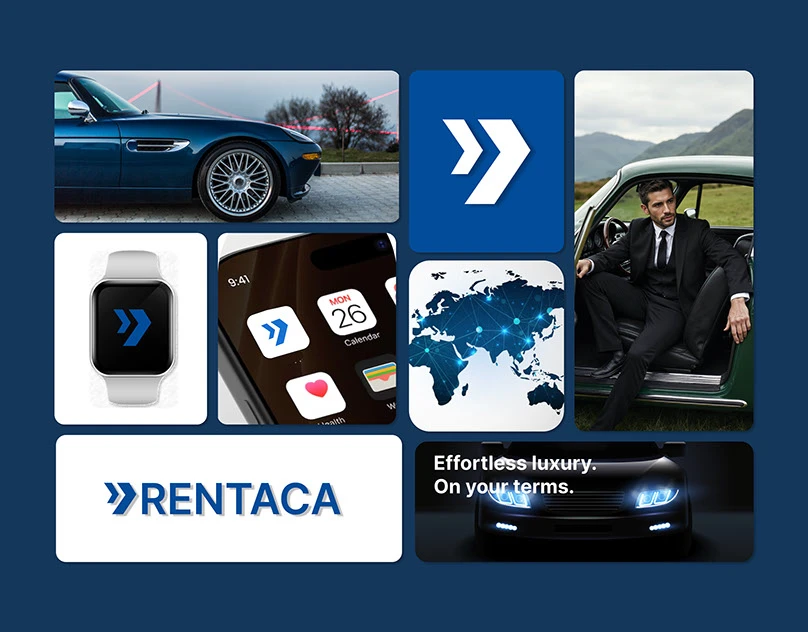
A clearer road from browsing to booking.
 VIEW CASE Nishchinto TurfGo RENTACA
I’m a professional UI/UX designer and a BSc in Computer Science & Engineering graduate from North South University. My technical foundation helps me connect thoughtful design with how digital products actually work.
From understanding people’s needs to refining the smallest interaction, I care about making websites and apps feel clear, useful, and considered.
North South University
Research, user flows, and thoughtful structure that help people find their way.
Clear, expressive interfaces for websites and mobile apps, down to the smallest detail.
Interactive prototypes and reusable components that keep an experience consistent.
My UI/UX design process — from understanding people to testing the details. Each step informs the next, with room to revisit and refine.
Talk with users and stakeholders to understand their goals, needs, and expectations.
I ask open-ended questions about people’s habits, goals, and frustrations. Listening to real experiences helps me understand the context before proposing a solution.
THE OUTCOMEInterview notes and recurring themes
Identify recurring pain points and define the problem the design should solve.
I look for patterns in the interviews and separate symptoms from underlying needs. A clear problem statement keeps the design focused on something that matters to users.
THE OUTCOMEA focused problem statement
Trace the experience from start to finish, highlighting friction and opportunities.
I map the actions, thoughts, and emotions people experience while completing a task. This reveals where they feel confident, where they struggle, and where the experience can improve.
THE OUTCOMEA journey map with opportunities
Capture what people say, think, do, and feel to understand their perspective.
I organize what users say, think, do, and feel into a shared picture. This helps me consider emotional needs alongside practical tasks when making design decisions.
THE OUTCOMEA shared view of user needs
Summarize research patterns into useful personas with clear goals and challenges.
I turn research patterns into representative user profiles with goals, behaviors, and pain points. Personas help me keep the intended audience in mind throughout the project.
THE OUTCOMEResearch-informed user personas
Explore and validate assumptions through research, observation, and feedback.
I use research to investigate assumptions and understand user behavior more deeply. The method depends on the question, and the findings guide priorities instead of personal preference.
THE OUTCOMEEvidence to guide design decisions
Learn how users group information and which labels make sense to them.
I ask people to group related content and suggest labels that feel natural to them. Their choices help shape categories and navigation that match their expectations.
THE OUTCOMEMeaningful groups and labels
Organize content and navigation so people can find what they need.
I arrange content into a clear hierarchy with understandable labels and navigation. The aim is to make information easy to find without overwhelming people with choices.
THE OUTCOMEA clear content hierarchy
Map the steps people take to complete key tasks, including alternative paths.
I outline each action and decision needed to complete a task. I also consider errors, alternative routes, and recovery so the experience works beyond the ideal path.
THE OUTCOMETask flows and alternative paths
Sketch low-fidelity layouts on paper to explore ideas quickly before adding detail.
I sketch rough screen layouts on paper to compare ideas quickly. Keeping the design simple makes it easier to discuss structure and change direction before investing in visual polish.
THE OUTCOMEEarly layouts to discuss and refine
Define typography, color, spacing, and interaction rules for a consistent experience.
I establish shared rules for typography, color, spacing, and interaction. These foundations help screens feel consistent and make the design easier to maintain as the product grows.
THE OUTCOMEConsistent visual and interaction rules
Create reusable interface elements with clear states and accessible behaviors.
I build reusable elements such as buttons, inputs, cards, and navigation. I consider their states and behaviors so they can work consistently across different screens.
THE OUTCOMEReusable elements and states
Develop polished screens with visual hierarchy, realistic content, and responsive layouts.
I bring the layouts to life with realistic content, clear hierarchy, and refined visual details. I consider different screen sizes and check that the interface remains readable and usable.
THE OUTCOMEDetailed, responsive interfaces
Connect screens into an interactive experience to explore how the product feels.
I connect screens and add interactions to demonstrate the intended experience. A prototype makes flows easier to discuss and lets people try an idea before development.
THE OUTCOMEAn interactive product walkthrough
Observe users completing tasks, identify usability issues, and refine the design.
I observe people attempting realistic tasks and note where they hesitate or get stuck. I use those findings to prioritize improvements, update the design, and test again when needed.
THE OUTCOMEUsability findings and improvements
Let’s turn your idea into an experience people love to use. Reach out for a project, a collaboration, or just a conversation.